

Search Website

Upper Extremity Rehabilitation (MCISc)
Preparing occupational therapists and physical therapists for enhanced specialty care in upper extremity rehabilitation.
Upper Extremity Rehabilitation (MCISc)
Preparing occupational therapists and physical therapists for enhanced specialty care in upper extremity rehabilitation.
Upper Extremity Rehabilitation (MCISc)
Preparing occupational therapists and physical therapists for enhanced specialty care in upper extremity rehabilitation.
(MCISc)
About Upper Extremity Rehabilitation
Offered fully online, with face-to-face clinical mentorship experiences, this interprofessional educational experience helps you develop clinical skills, research methodology, depth of knowledge, and the professional behaviours to assess and evaluate, and manage and rehabilitate complex upper extremity conditions.
Move from clinical experience to recognized expertise in upper extremity rehabilitation. Combining flexible online study, applied clinical mentorship and a curriculum mapped to the Certified Hand Therapist examination, this field supports your growth from specialty entry to advanced practice and leadership.
- Program Name: Advanced Health Care Practice
- Field: Upper Extremity Rehabilitation (Clinical)
- Faculty: Health Sciences
- Application Deadline: April 30th
- Contact: ahcp@uwo.ca
Why Choose Upper Extremity Rehabilitation at Western?
World-Class Expertise, United in Practice
This program combines the academic, research and clinical expertise of Western University's Schools of Physical Therapy and Occupational Therapy with that of the Roth McFarlane Hand and Upper Limb Centre, a world-renowned centre of excellence in education, research and the diagnosis, care and treatment of patients with complex conditions affecting hands, wrists, elbows and shoulders. Meet our world-renowned experts.
A Pathway to Advanced Hand Therapy Practice
Advance your professional development through a program designed to support specialty practice in upper extremity rehabilitation. This program’s curriculum is mapped to the Certified Hand Therapist (CHT) exam and is an official academic pathway to becoming an Accredited Hand Therapist through the Australian Hand Therapy Association.

Mentored Experience, Personalized Growth
Strengthen your advanced practice through a minimum of 150 hours of mentored experience in a work-based or clinical environment. Guided by experienced hand and upper extremity therapists, you will apply your learning, refine your clinical reasoning and build skills aligned with your individual professional goals.
Is Upper Extremity Rehabilitation Right for You?
Entering Specialized Practice
For clinicians interested in developing foundational experience and preparing for work in upper extremity rehabilitation.
Advancing an Established Practice
For experienced therapists seeking deeper clinical reasoning, research and rehabilitation expertise.
Preparing for Advanced Recognition
For therapists with direct practice experience in upper extremity experience who want graduate education aligned with professional credentialing pathways, including preparation for the CHT examination.
Information Sessions
UER Field Lead
Mike Szekeres
PhD, OT Reg. (Ont.), CHT
Mike Szekeres is an occupational therapist and Certified Hand Therapist with 24 years of clinical, academic and research experience. Mike is the incoming Editor-in-Chief of the Journal of Hand Therapy, an Associate Scientist at Lawson Health Research Institute and a member of Western’s Bone and Joint Institute. He has held leadership roles with Canadian and American hand therapy organizations and has contributed to more than 50 peer-reviewed publications and textbook chapters in upper extremity rehabilitation.
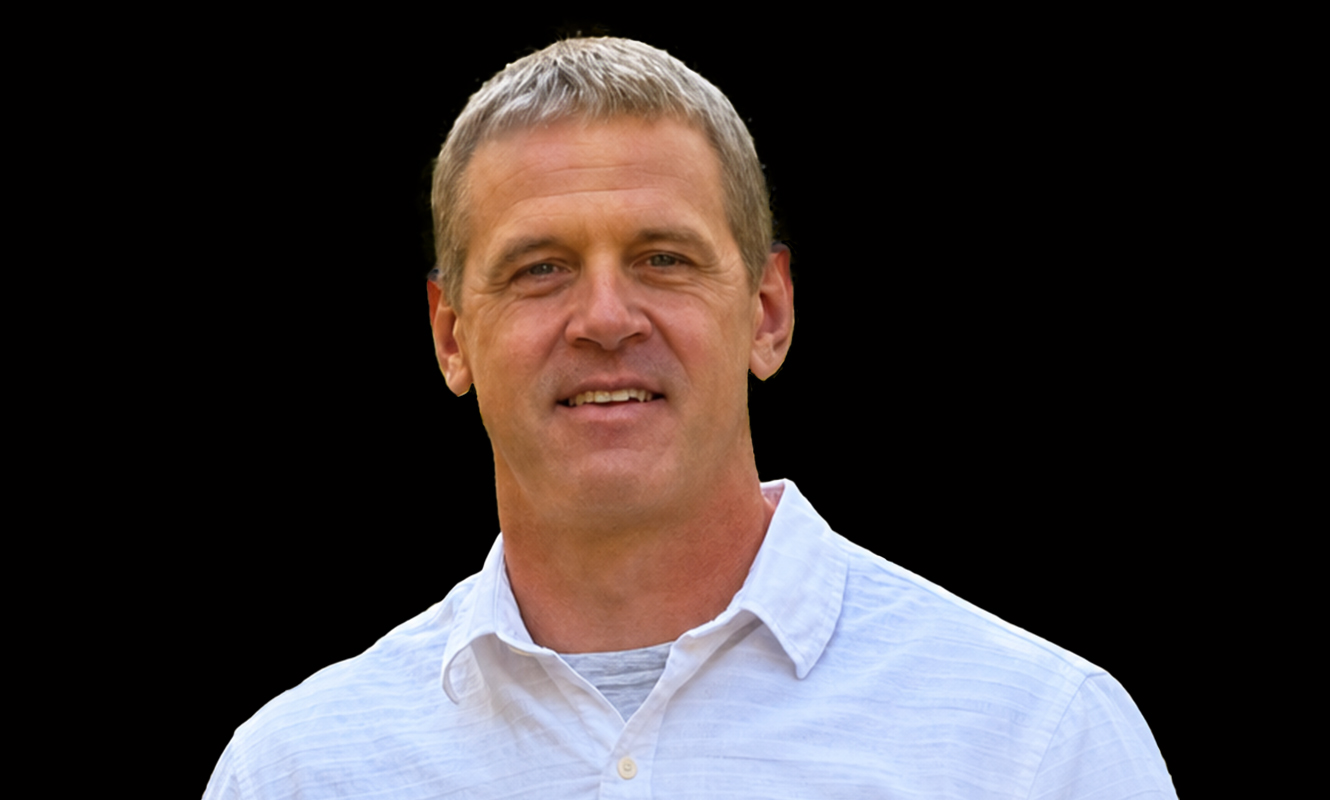
Mike Szekeres, PhD, OT Reg. (Ont.), CHT
- Field Leader and Assistant Professor, Advanced Health Care Practice Program in Upper Extremity Rehabilitation
- Associate Editor, Journal of Hand Therapy
- President, Hand Therapy Canada
- Certified Hand Therapist
Joy MacDermid, PT, PhD
- Editor, Journal of Hand Therapy
- Past President, American Society of Hand Therapists
- Co-Director, Clinical Research Lab, Roth | McFarlane Hand and Upper Limb Centre, St. Joseph’s Health Care London
- Distinguished University Professor, Physical Therapy and Orthopaedic Surgery, Western University
- Dr. James Roth Chair in Musculoskeletal Measurement and Knowledge Translation
- Canada Research Chair in Musculoskeletal Health Outcomes and Knowledge Translation
Paul Parikh, PT, DPT, PhD, FCAMPT
- Assistant Professor, School of Physical Therapy, Western University
Kristin Valdes, OTD, OT, CHT
- Associate Editor, Journal of Hand Therapy
- Past President, American Society of Hand Therapists
- Associate Professor, Touro University
- Certified Hand Therapist
Tara Packham, PhD, OT Reg. (Ont.)
- Assistant Professor, School of Rehabilitation Sciences, McMaster University
- Executive Editor, Pain Medicine
Christos Karagiannopoulos, MPT, MEd, PhD, ATC, CHT
- Associate Professor, DeSales University DPT Program
- Certified Hand Therapist
- Editorial Board Member, Journal of Hand Therapy
Pat McKee, MSc, BSc(OT)
- Associate Professor Emeritus, Department of Occupational Science and Occupational Therapy, University of Toronto
- President, Anatomy Softwear International Inc.
Ann Porretto-Loehrke, PT, DPT, CHT, COMT, CMTPT
- Clinical Development Coordinator
- Hand to Shoulder Center of Wisconsin, Appleton, Wisconsin
Ken Flowers, PT, CHT
- Editor Emeritus, Journal of Hand Therapy
- Certified Hand Therapist
Mike Cricchio, MBA, OT/L, CHT
- Site Manager, University of Florida Hand & Upper Extremity Centre
- Certified Hand Therapist
- Co-Chair, Teton Hand and Upper Extremity Conference
- Past Division Chair, Board of Directors, American Society of Hand Therapists
Joey Pipicelli, MScOT, CHT, OT Reg. (Ont.)
- Occupational Therapist and Certified Hand Therapist
- Division of Hand Therapy, Roth | McFarlane Hand and Upper Limb Centre
Juliana Larocerie, OT Reg. (Ont.), MSc, CHT
- Occupational Therapist and Certified Hand Therapist
- Division of Hand Therapy, Roth | McFarlane Hand and Upper Limb Centre
Graham J.W. King, MD, MSc, FRCSC
- Medical Director, Roth | McFarlane Hand and Upper Limb Centre
- Site Chief of Surgery, St. Joseph’s Health Care London
- Professor, Orthopaedic Surgery and Biomedical Engineering, Western University
Kenneth J. Faber, MD, MHPE, FRCSC
- Professor of Surgery, Western University
Michael W.C. Payne, MD, MSc, FRCPC, CSCN Diplomate (EMG)
- Associate Professor and Physiatrist, Department of Physical Medicine and Rehabilitation, Schulich School of Medicine & Dentistry, Western University
- Parkwood Institute, St. Joseph’s Health Care London
Alison Rushton, EdD
- Director, School of Physical Therapy, Western University
Emily Lalone, PhD
- Assistant Professor, Mechanical and Materials Engineering
- Co-Director, Musculoskeletal Biomechanics Laboratory, Western University
Douglas C. Ross, MD, MEd, FRCSC
- Professor, Division of Plastic Surgery, Western University
- Co-Director, Peripheral Nerve Clinic, Roth | McFarlane Hand and Upper Limb Centre
Nina Suh, MD, MSc
- Assistant Professor, Department of Orthopaedic Surgery, Emory University
James Andrew Johnson, BSc, BEng (Mech), PhD, PEng, FCAE
- Professor, Mechanical & Materials Engineering, Faculty of Engineering, and Surgery, Schulich School of Medicine & Dentistry
- Graham King Research Chair
Christopher Doherty, MD, MPH, FRCSC
- Division of Plastic and Reconstructive Surgery, University of British Columbia
Lesley Kukoly, BSc HK, MPT
- Physical Therapist, Fowler Kennedy Sport Medicine Clinic
Program Structure
With courses offered fully online, through synchronous and asynchronous virtual learning environments, this program allows students to achieve their learning goals while balancing the demands of their professional and personal lives.
The curriculum and course offerings of this program are built around the idea that specialized rehabilitation of the upper extremity reflects a synthesis of occupational therapy and physical therapy theory and practice that combines comprehensive knowledge of the structure of the upper limb with function and activity to inform evidenced-based rehabilitation. Exposure to specialized practice will position graduates of the program to effectively manage the complexity of clinical presentations and enable best practice in upper extremity rehabilitation.
Term 1 (Fall)
September–December
- Rehabilitation of the Hand & Wrist
- Critical Appraisal of Health Literature
- Clinical Mentorship
Term 2 (Winter)
February–April
- Rehabilitation of the Elbow and Shoulder
- Clinical Mentorship (Continued)
- Research Experience
Term 3 (Summer)
May–August
- Advancing Leadership & Education
- Clinical Mentorship (Continued)
- Research Experience (Continued)
- Includes Research Day
Advanced standing is available to clinicians holding the Certified Hand Therapist (CHT) designation. Depending on your clinical experience and learning needs, advanced standing may be granted for the following courses:
- ACHP 9681 | Foundations in Upper Extremity Rehabilitation
- AHCP 9682 | Rehabilitation of Hand Conditions
- AHCP 9683 | Rehabilitation of Shoulder & Elbow Conditions
In addition, if you're granted advanced standing, you won’t be required to complete the ACHP 9620 Clinical Mentorship component.
***Please note that advanced standing does not affect your tuition.
Students will undertake a minimum of 150 hours of experience in a work-based/practice environment. Learning needs may necessitate a range of environments as part of the mentored experience to ensure that all outcomes are achieved. The selection of the work-based environment is negotiated by the student in collaboration with the mentorship coordinator, dependent upon their individual learning needs and their program field and any specialist requirements. A variety of patterns of delivery of the 150 hours experience are possible, encompassing part-time and full-time modes as well as a variety of models of experience (e.g. clinical practice, observation of practice, case analysis, situational online clinical reasoning, telehealth, e-mentoring, FTF mentoring etc.). Current registration with appropriate professional/regulatory bodies is required as appropriate to the negotiated mentored practice.
Students are responsible for securing their own clinical mentor(s).
Learning Outcomes
Upon successfully completing the program, students should have the ability to:
- Critically analyze and integrate the principles underpinning upper extremity rehabilitation to inform interventions across the lifespan
- Evaluate clinical history and examination findings to inform individualized client-centred rehabilitation within a biopsychosocial and interdisciplinary framework
- Implement and justify evidence-informed rehabilitation interventions to optimize clinical outcomes
- Synthesize knowledge, skills and attributes to demonstrate advanced practice in upper extremity rehabilitation
- Develop research skills enabling active participation and competency in clinical research
- Communicate and apply ethical principles and practices in patient care and research activities
- Develop communication strategies that foster therapeutic alliance and shared decision-making with the client
- Develop iterative self-reflection skills and continued life-long learning
Frequently Asked Questions
This unique program is offered fully online, allowing flexibility for working therapists who can do most of the work in an asynchronous format.
The program includes approximately three to five asynchronous hours of learning per week, with two additional synchronous hours per week where learners come together and review the previous week's content. You may also be expected to deliver presentations during some synchronous sessions as well as report on the pre-work that came up during the asynchronous sessions.
Clinical mentorship is a personalized one-to-one learning experience that brings together the knowledge and skills developed throughout the clinical and core courses. You are encouraged to choose a mentor whose experience aligns with an area where you feel less confident, allowing you to focus on specific learning needs. The mentorship provides an opportunity to revisit concepts, ask questions, and deepen understanding in a supportive environment. It is particularly valuable for strengthening clinical reasoning, enhancing practical skills, and building confidence in areas of upper limb rehabilitation that may require further development.
Clinical mentorships take place in the country where you are licensed to practice. Because mentorship opportunities are arranged globally, learners are responsible for identifying and securing their own clinical mentor(s).
The mentorship experience is designed to be flexible and tailored to individual learning goals. Mentorships may be one-to-one or in small group settings, and you may choose to divide your required hours among multiple mentors. For example, you can complete a portion of your mentorship hours with one clinician and then continue with another to gain experience in a different area of practice.
This flexibility allows learners to customize their mentorship experience, access a variety of clinical perspectives, and maximize opportunities for professional growth in areas that best support their learning needs.
This program was developed to support therapists at every stage of their professional journey.
New graduates can use the program to build foundational knowledge and clinical skills in upper extremity rehabilitation, helping prepare them for their first position in this specialized area of practice.
Therapists preparing for the Certified Hand Therapist (CHT) exam will benefit from a curriculum that has been mapped to the CHT exam content areas. For those who have met the required clinical hours and eligibility criteria, the program provides a comprehensive framework to support exam preparation and professional development.
Experienced hand therapist or therapists working in upper extremity rehabilitation can use the program to further refine their practice through advanced learning. The curriculum emphasizes the integration of research-informed, evidence-based decision-making, helping them improve their clinical practice and enhance patient care.
Research is a core component of the program, reflecting the importance of evidence-based decision-making in clinical practice. To apply research effectively, therapists must understand how evidence is generated, evaluated, and translated into patient care.
The program includes a dedicated research methods course that provides learners with the opportunity to take on a research project in a group format. This group-based approach allows learners to develop practical research skills while benefiting from peer support, shared expertise, and real-world experience throughout the research process.
The Faculty of Health Sciences at Western provides a unique learning environment for the Advanced Health Care Practice program through its strong connection with the Roth McFarlane Hand and Upper Limb Centre.
Learners benefit from direct access to expertise from a multidisciplinary team of clinicians and educators affiliated with the Centre. The program features lectures from hand and upper extremity surgeons, as well as mentorship and instruction from experienced physical therapists and occupational therapists who have worked, or continue to work, within the Centre.
In addition to course-based learning, students have the opportunity to attend clinical rounds conducted by the Centre’s surgical and rehabilitation teams. While optional, these rounds provide valuable exposure to real-world clinical decision-making, interdisciplinary collaboration, and complex upper extremity cases, further enriching the learning experience.
The program is designed for both occupational therapists and physical therapists who are interested in developing advanced knowledge and skills in upper limb rehabilitation. While extensive experience in upper extremity rehabilitation is not required, applicants will benefit from upper extremity or orthopedic experience before entering the program. A foundational understanding of anatomy, biomechanics, and musculoskeletal rehabilitation can help support success throughout the intensive, fast-paced curriculum.
In Their Words
Domenica Knezy, Master’s of Clinical Science Alumni (UER)
The program makes every effort to maintain asynchronous courses which accommodated my work schedule.
Ready to Apply?
Your Life at Western
Campus Life
Connect, explore, and thrive on our close-knit campus.
Campus Tours
Campus tours are available for anyone interested in attending Western.
About London, Ontario
Discover all that Western and London have to offer.